The Hidden Cost of Heavy Furnace Fixtures: Why More Heat Treaters Are Switching to CFC

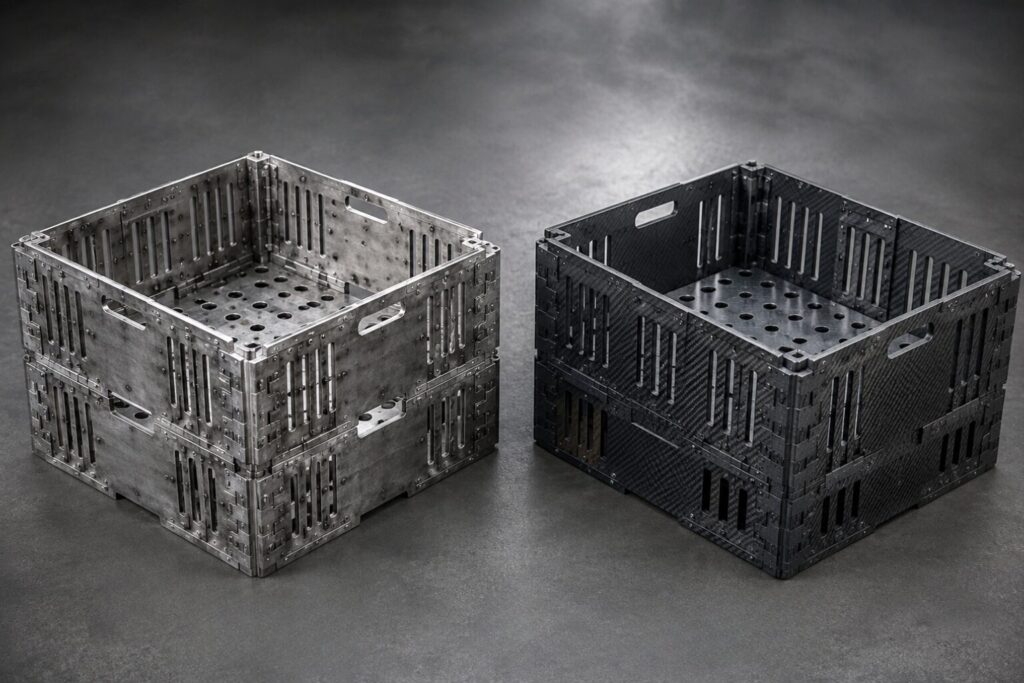
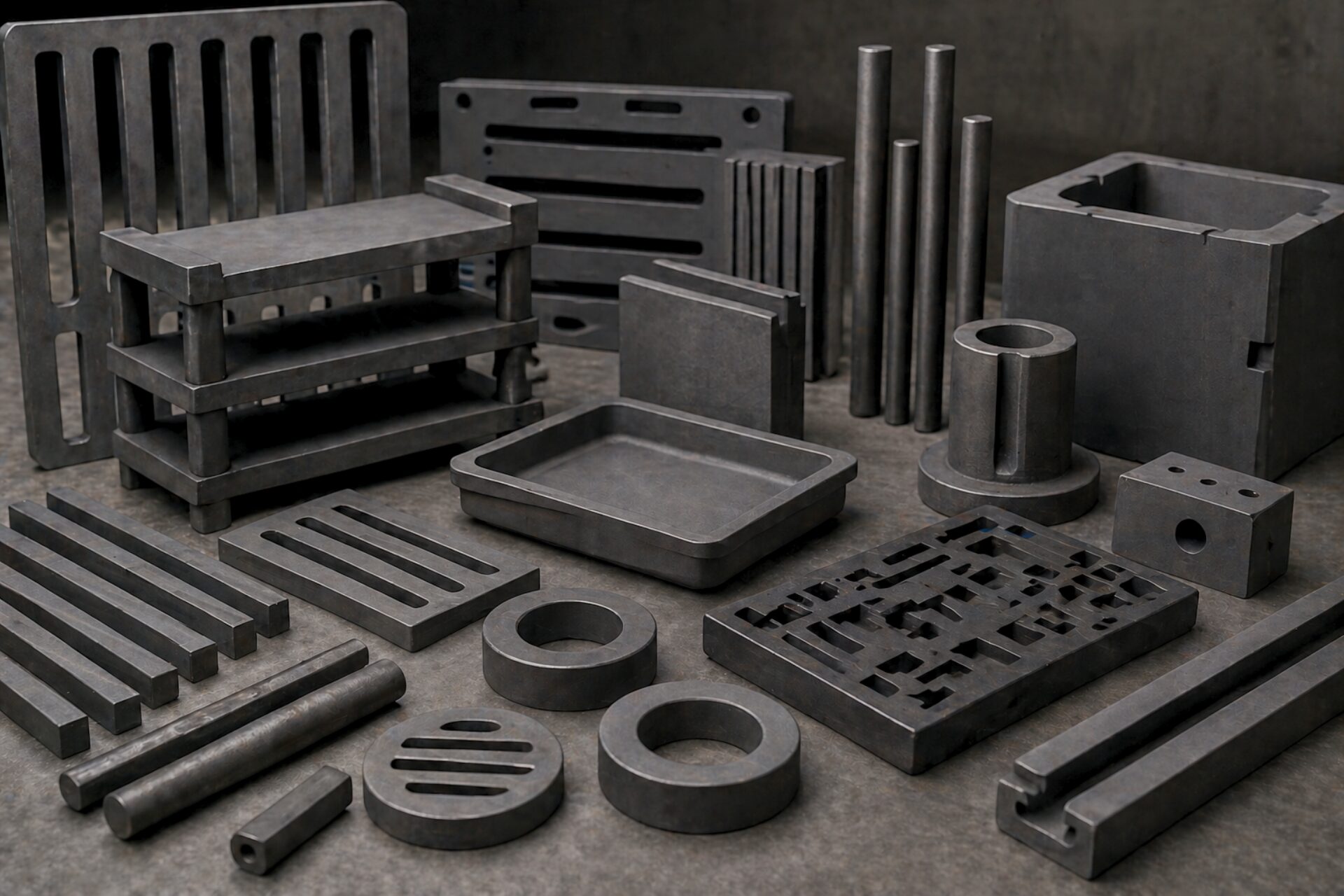
Comparison of traditional metal furnace fixture and lightweight CFC furnace fixture for heat treatment applications.

When evaluating heat treatment furnace fixtures, most purchasing decisions focus on the initial price.

At first glance, traditional metal fixtures often appear to be the more economical option. Their upfront cost is usually lower, making them an attractive choice for many operations.

However, the purchase price tells only part of the story.

Fixture weight can significantly impact furnace efficiency, cycle times, energy consumption, maintenance requirements, and long-term operating costs. As a result, many heat treaters are re-evaluating traditional fixture materials and exploring Carbon Fiber Composite (CFC) alternatives.


The Weight Problem Most Facilities Overlook.

Every time a furnace cycle begins, energy is required to heat not only the workload but also the fixture supporting it.

The heavier the fixture, the more energy is needed to bring it up to temperature.

Over hundreds or thousands of cycles, this additional thermal mass can contribute to:

  • Increased energy consumption.
  • Longer heating times.
  • Reduced throughput.
  • Higher operating costs.


For facilities focused on efficiency, fixture weight can have a larger impact than many realize.


Why CFC Fixtures Are Gaining Attention.

Carbon Fiber Composite (CFC) has become increasingly popular in vacuum furnace and heat treatment applications because it combines high-temperature performance with significantly lower weight.

Common CFC products include:

  • CFC furnace fixtures.
  • CFC trays.
  • CFC racks.
  • Structural supports.
  • Custom heat treatment tooling.


Compared to many traditional metallic alternatives, CFC offers a much higher strength-to-weight ratio.


Faster Heating and Cooling Cycles.

One of the key advantages of CFC is its lower thermal mass.

Because there is less material to heat, CFC fixtures can help support faster furnace response and more efficient thermal processing.

Potential benefits include:

  • Reduced cycle times.
  • Improved furnace utilization.
  • Greater production capacity.
  • Lower energy demand.


For operations running multiple cycles per day, even small improvements can create meaningful long-term savings.


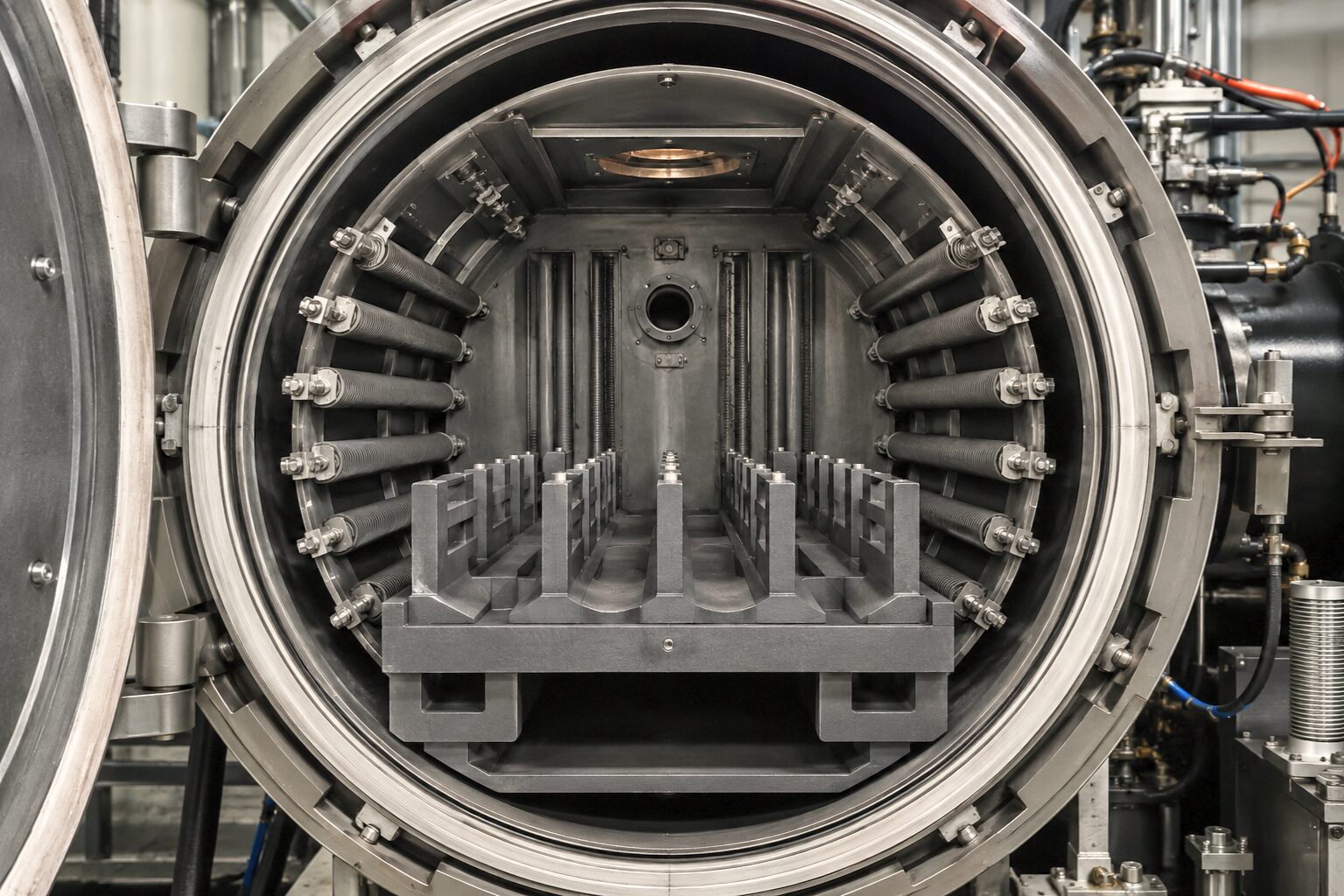
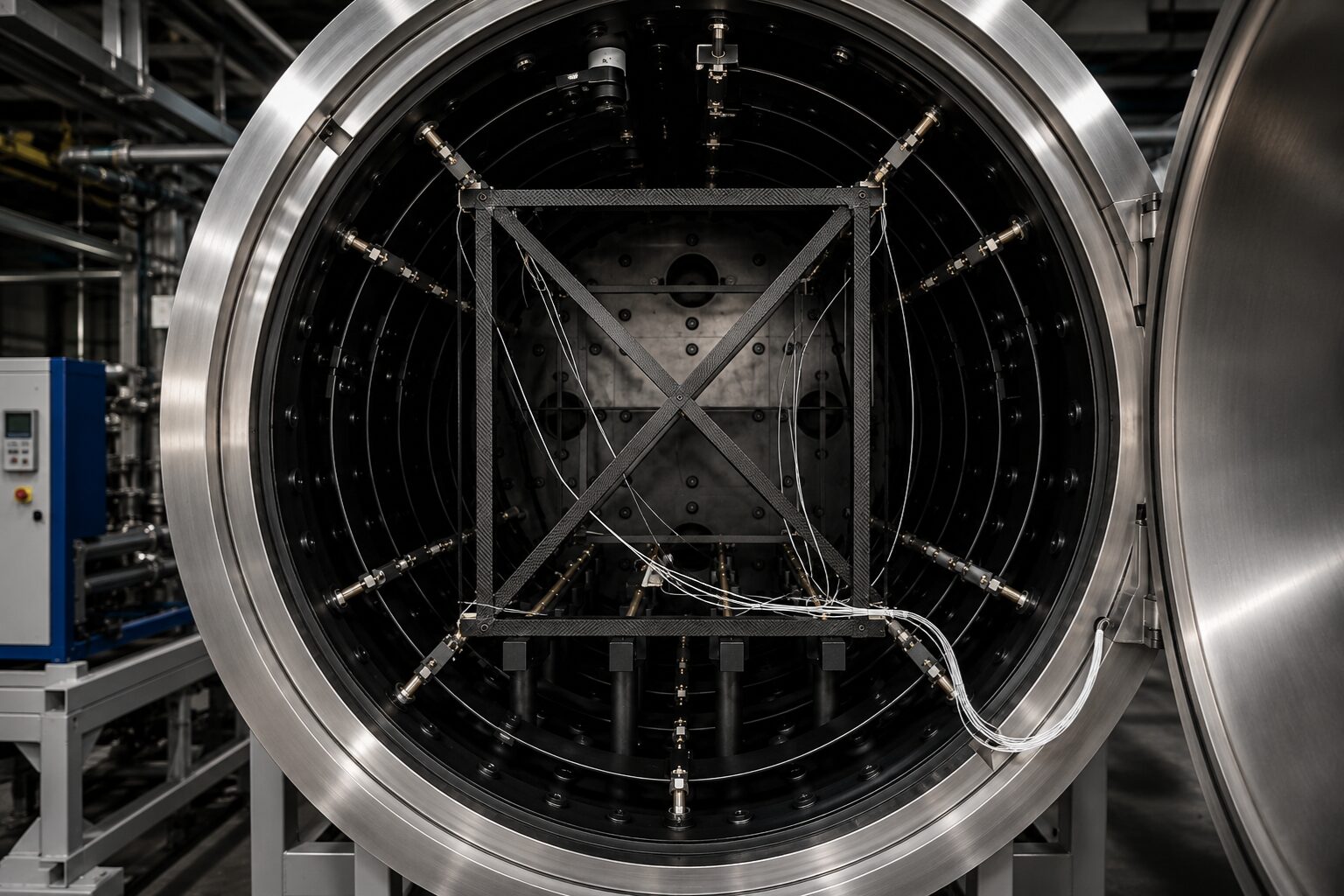
CFC furnace fixture installed inside a vacuum furnace for high-temperature heat treatment processing.


Improved Dimensional Stability.

Repeated exposure to high temperatures can cause metal fixtures to warp or deform over time.

Distortion may affect:

  • Part positioning.
  • Process consistency.
  • Product quality.


CFC fixtures are known for maintaining dimensional stability through repeated thermal cycles, helping preserve fixture performance and repeatability.


Reduced Maintenance Requirements.

Fixture distortion and thermal fatigue can lead to more frequent repairs and replacements.

Because CFC materials are designed for demanding high-temperature environments, many heat treatment facilities experience:

  • Longer service intervals.
  • Less maintenance downtime.
  • Reduced replacement frequency.


The result is often improved operational reliability.


Looking Beyond Purchase Price.

The real question is not:

“Which fixture costs less today?”

The better question is:

“Which fixture costs less over its entire service life?”

When evaluating heat treatment furnace fixtures, manufacturers should consider:

  • Initial investment.
  • Energy consumption.
  • Cycle efficiency.
  • Maintenance costs.
  • Service life.
  • Production uptime.


In many applications, these factors have a greater impact on profitability than the original purchase price alone.


When Does CFC Make Sense?

CFC is often a strong solution for operations that prioritize:

  • High-temperature processing.
  • Reduced fixture weight.
  • Improved energy efficiency.
  • Dimensional stability.
  • Long-term cost reduction.


However, metal fixtures can still be appropriate for certain lower-temperature or budget-sensitive applications.

The ideal choice depends on the specific furnace, process requirements, and production goals.


Final Thoughts.

Heavy furnace fixtures may carry costs that are not immediately visible during the purchasing process.

Energy consumption, cycle time, maintenance, and fixture life all contribute to the true cost of operation.

While traditional metal fixtures remain valuable in many applications, CFC furnace fixtures, CFC trays, and CFC racks can offer significant long-term advantages for heat treaters seeking greater efficiency, reliability, and performance.

Evaluating total operating cost—not just purchase price—often provides the clearest path to making the right fixture material decision.


📩 sales@usglobalgraphite.com
📞 (956)-539-7162
🌐 https://usglobalgraphite.com/
SHARE:

Facebook
X
LinkedIn
Email
Picture of GLOBAL GRAPHITE

GLOBAL GRAPHITE