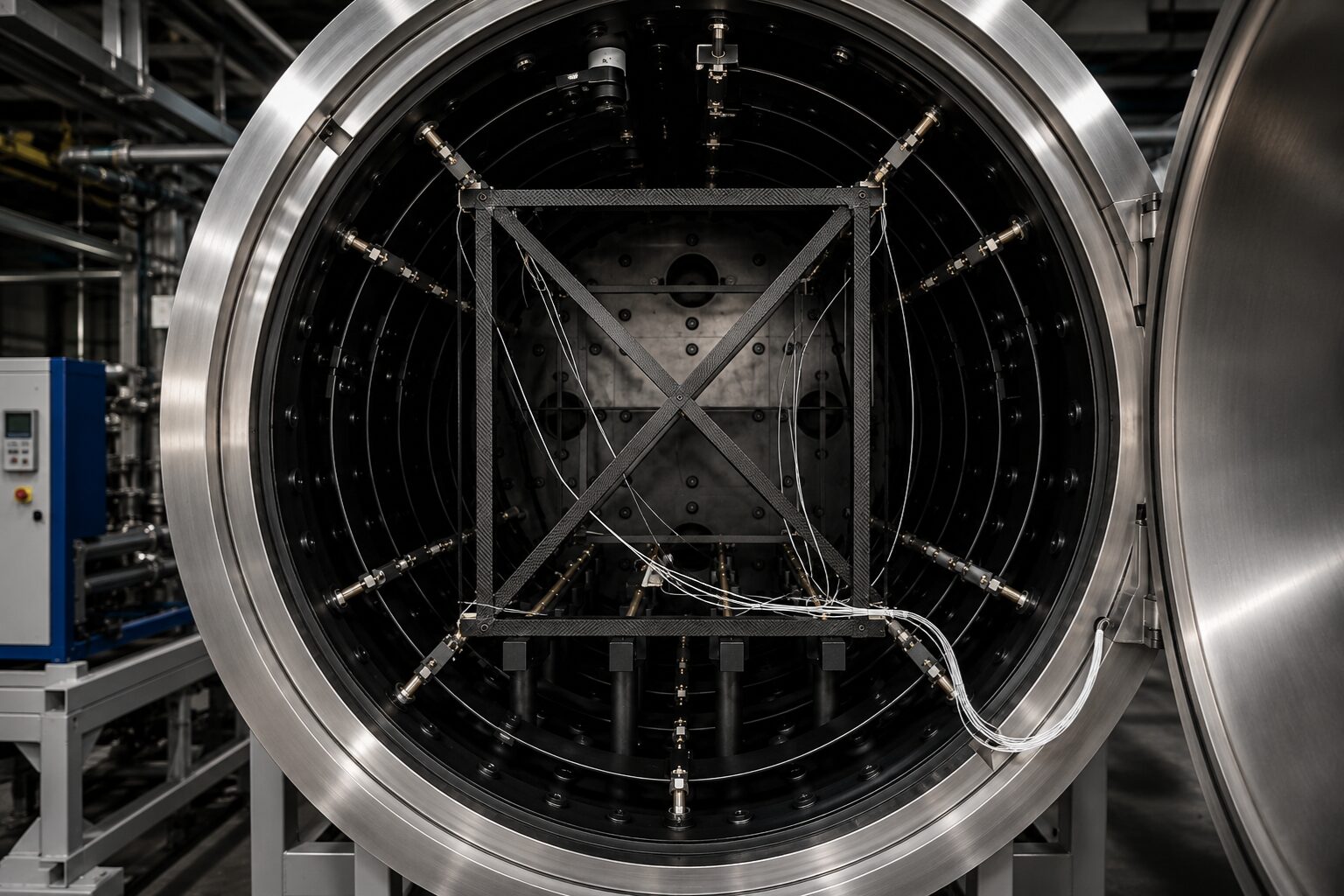
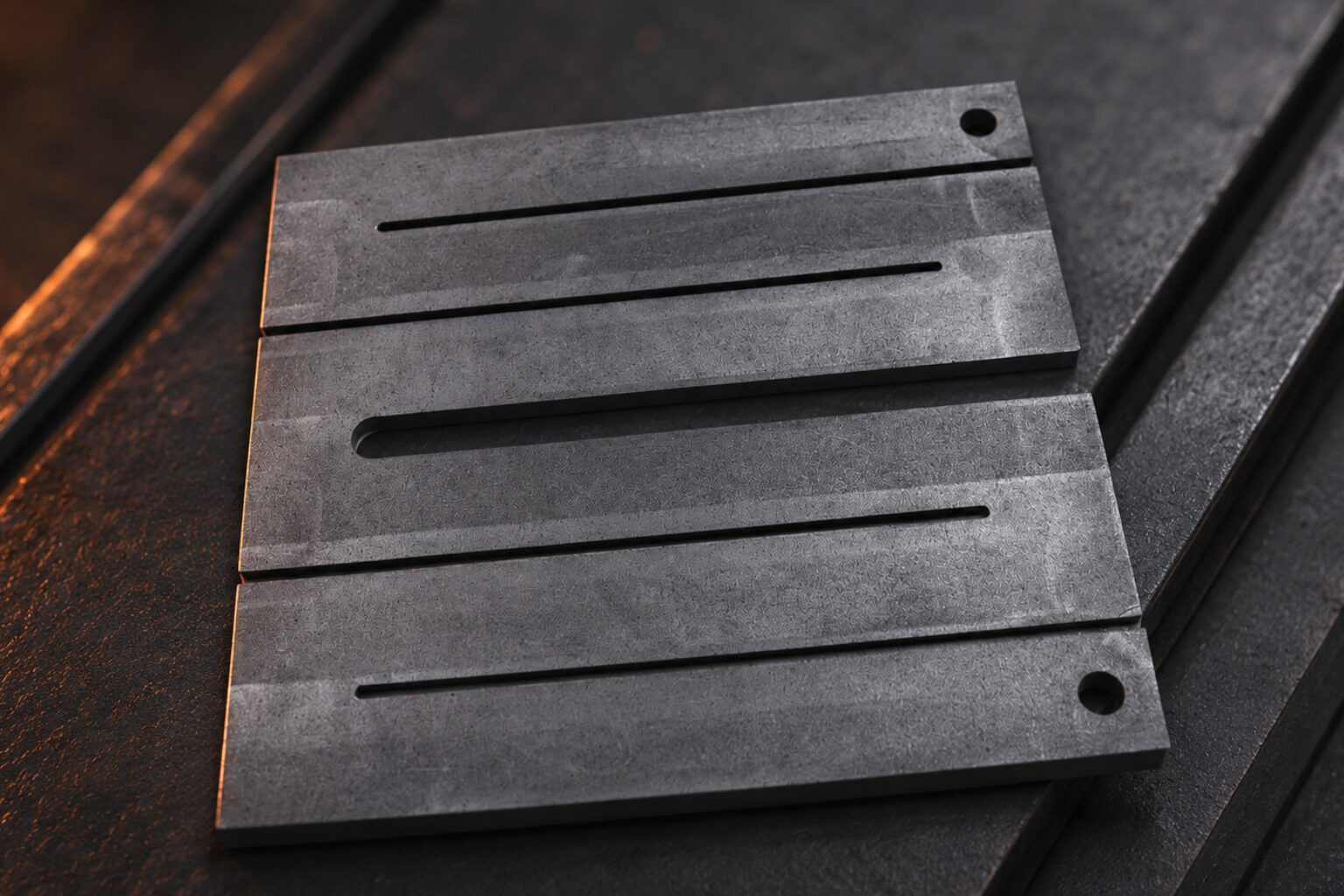
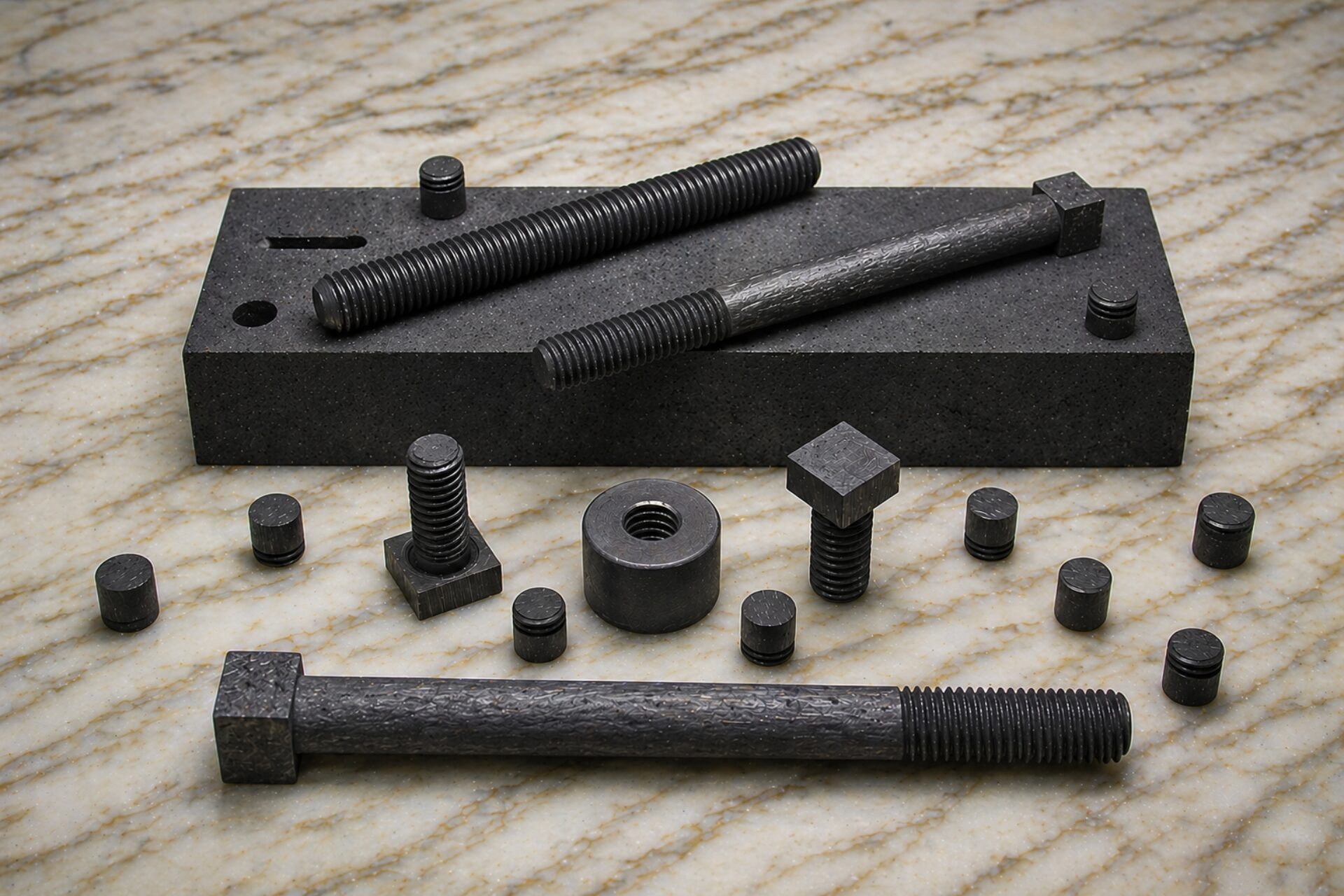
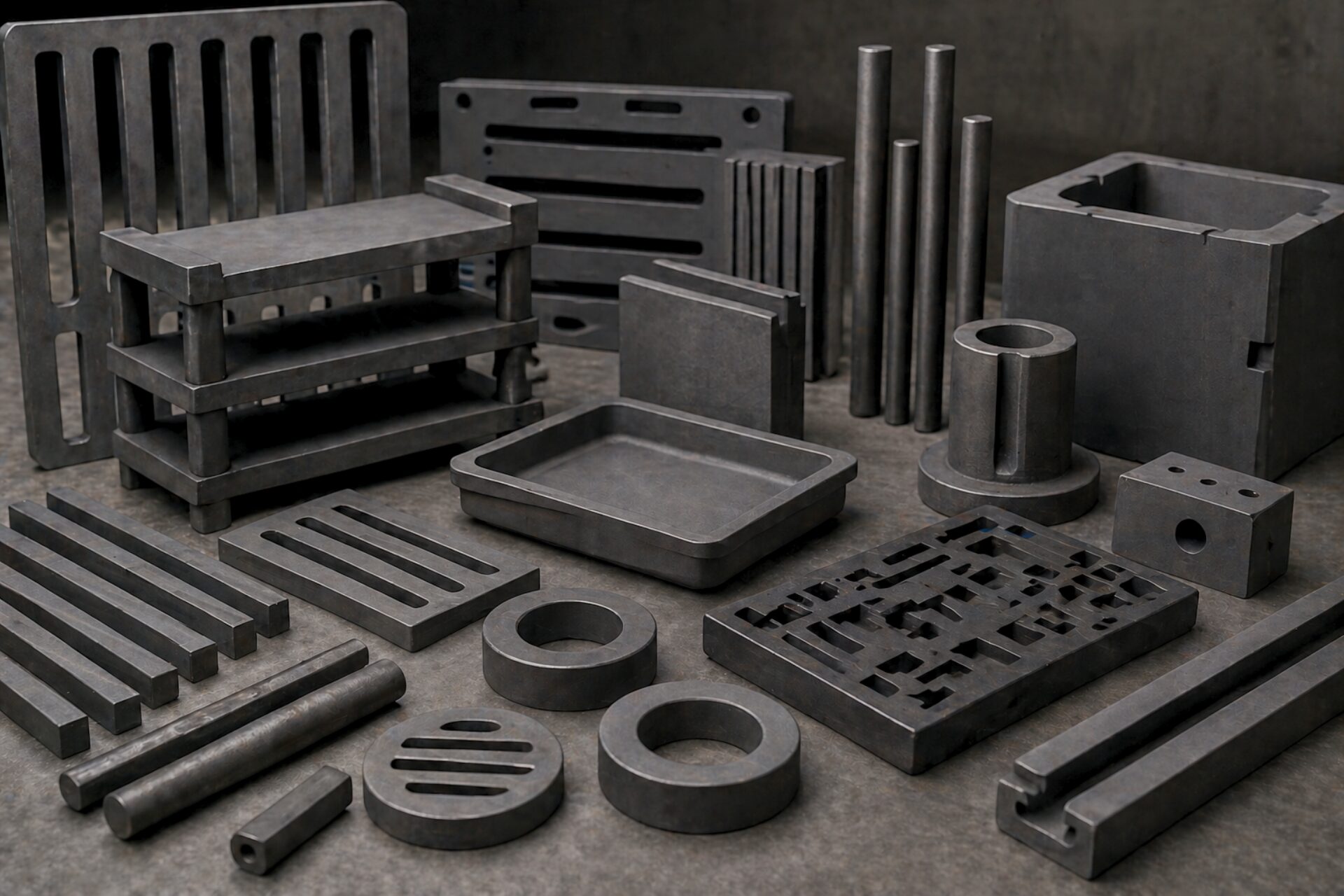
Common Failure Mechanisms.
Even high-quality heating elements can fail if operating conditions are not properly controlled.
Common causes include:
Thermal Stress.
Rapid heating and cooling cycles can create internal stresses that lead to cracking.
Oxidation.
Air leaks or poor vacuum conditions may cause graphite oxidation, reducing component life.
Mechanical Damage.
Improper handling during maintenance or installation can weaken heating elements and create failure points.
Design Considerations.
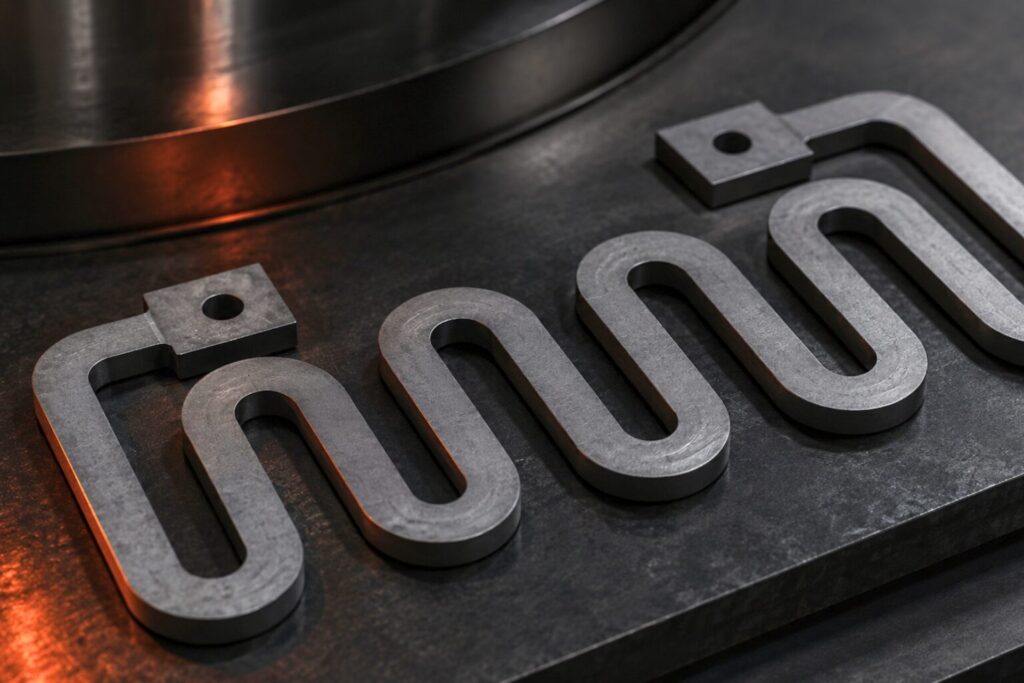
Heating element performance is influenced by both material selection and component design.
Key factors include:
- Element geometry.
- Current distribution.
- Temperature uniformity.
- Mechanical support.
- Furnace operating temperature.
A well-designed heating element system can improve heat distribution and reduce energy consumption.
Maintenance Best Practices.
Regular inspections help identify wear before it leads to unexpected downtime.
Recommended practices include:
- Inspecting for cracks and deformation.
- Checking electrical connections.
- Monitoring furnace vacuum performance.
- Cleaning contaminants when necessary.
- Replacing damaged components promptly.
Preventive maintenance often extends component life significantly.
Replacement Guidelines.
Heating elements should be evaluated regularly for signs of deterioration.
Consider replacement when:
- Visible cracking is present.
- Electrical performance decreases.
- Significant oxidation is observed.
- Furnace temperature uniformity becomes inconsistent.
Replacing components before failure helps maintain stable production and avoid costly interruptions.
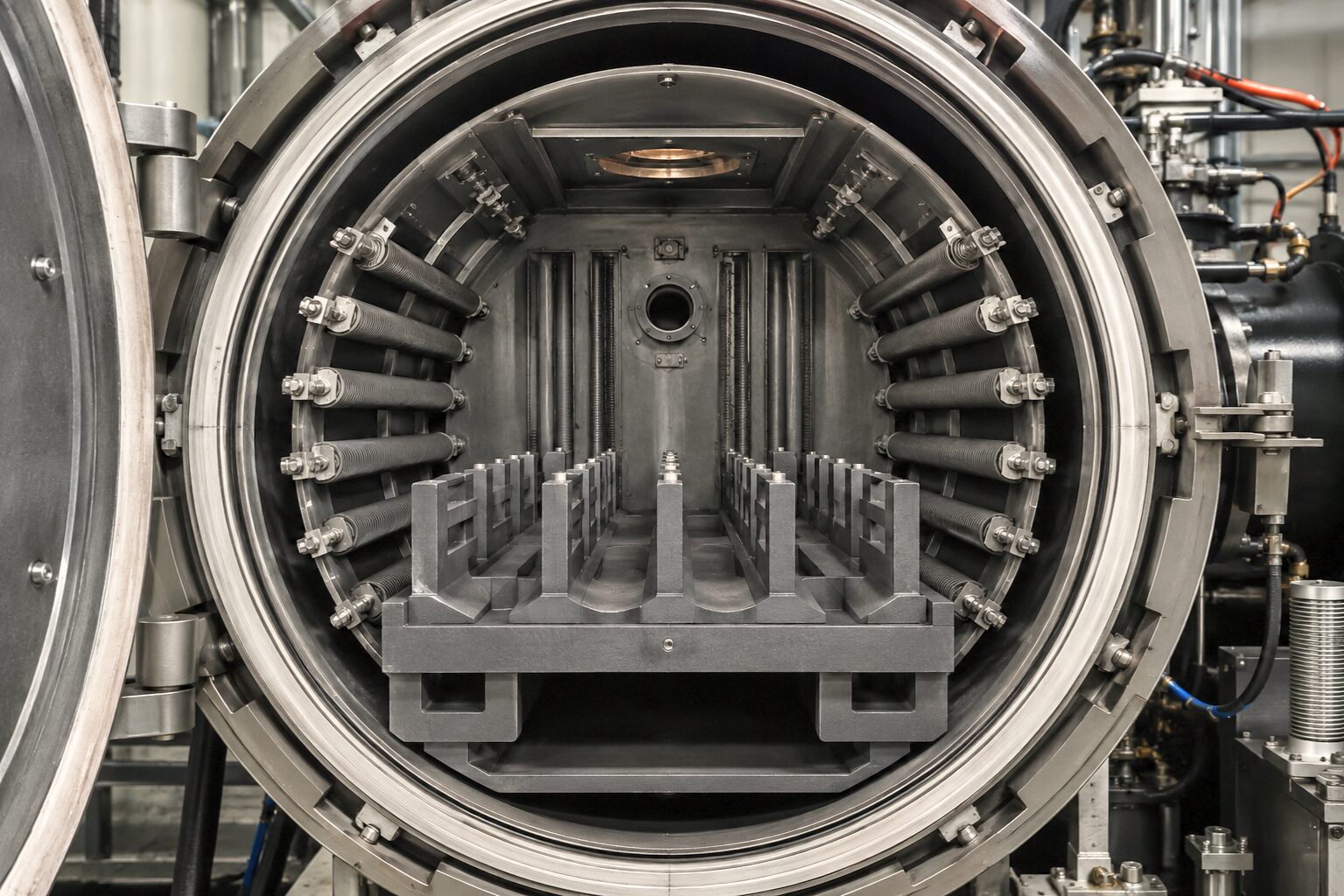
Graphite heating elements are essential to the performance of modern vacuum furnaces. Selecting the proper graphite grade, maintaining operating conditions, and following preventive maintenance practices can significantly improve service life and furnace efficiency.
When properly engineered and maintained, graphite heating elements provide reliable performance for demanding heat treatment applications.
📩 sales@usglobalgraphite.com
📞 (956)-539-7162
🌐 https://usglobalgraphite.com/