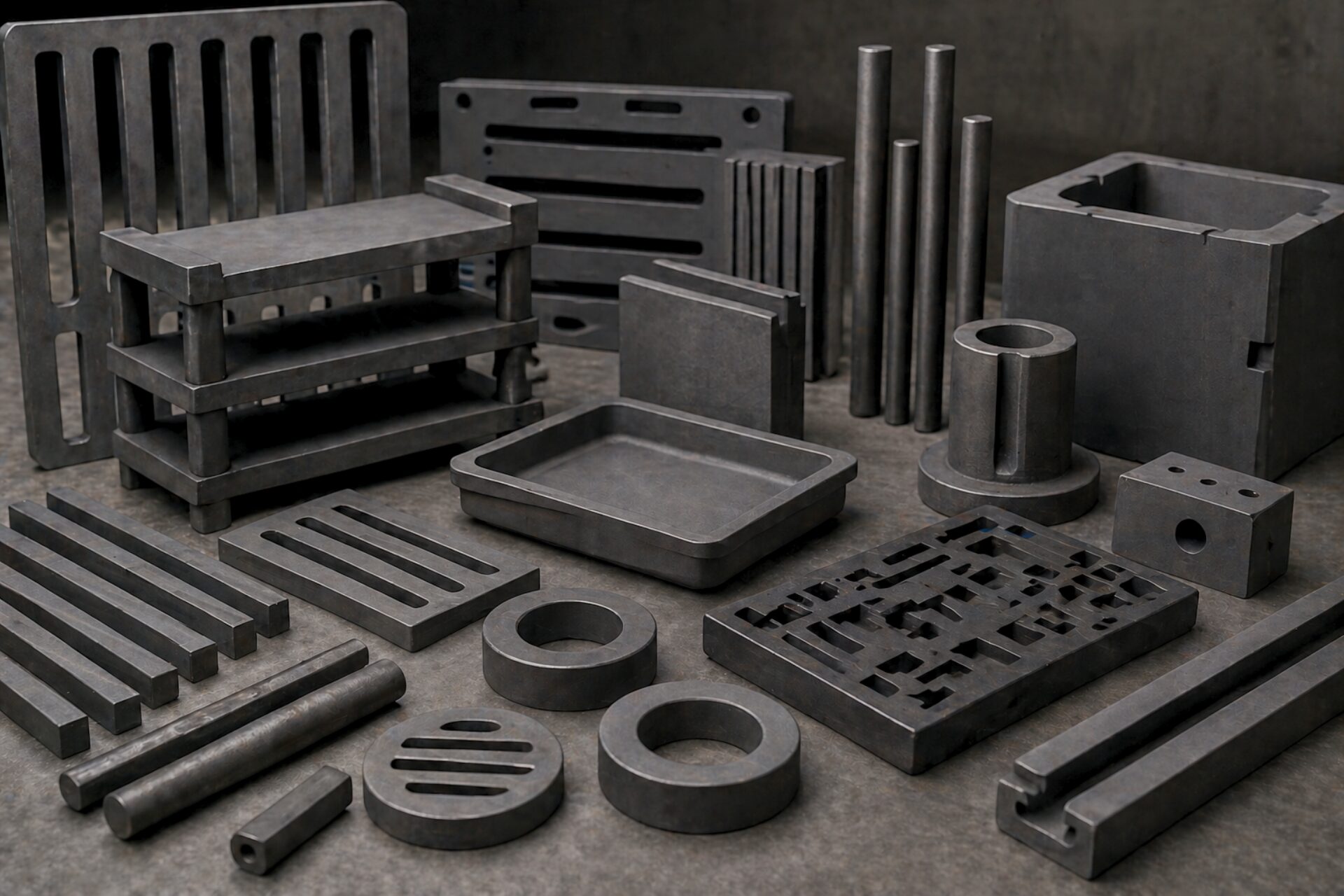
When evaluating furnace components, one question comes up repeatedly:
Should you use graphite or metal?
At first glance, metal may seem like the stronger and more reliable option. But in high-temperature environments, performance is not defined by strength alone—it’s defined by stability under extreme conditions.
This is where graphite changes the equation.
The Real Challenge: High-Temperature Performance.
Inside industrial furnaces, materials are exposed to:
- Extreme heat.
- Rapid thermal cycling.
- Continuous operation.
- Mechanical stress.
Under these conditions, traditional materials begin to lose their effectiveness.
Choosing between graphite vs metal furnace components is not about preference—it’s about how each material behaves when pushed to its limits.
Graphite vs Metal: Key Performance Differences.
1. Thermal Stability.
Graphite maintains its structure and performance at extremely high temperatures.
Metals, on the other hand:
- Soften.
- Expand.
- Lose dimensional stability.
Advantage: Graphite.
2. Thermal Expansion.
Graphite has low thermal expansion, meaning it keeps its shape even under heat.
Metals expand significantly, which can lead to:
- Misalignment.
- Distortion.
- Mechanical stress.
Advantage: Graphite.
3. Resistance to Thermal Shock.
Graphite handles rapid temperature changes without cracking or failing.
Many metals are more vulnerable to:
- Thermal fatigue.
- Stress fractures over time.
Advantage: Graphite.
4. Weight and Handling.
Graphite is lighter than most metals, making it easier to:
- Install.
- Replace.
- Design complex fixtures.
Advantage: Graphite.
5. Machinability and Customization.
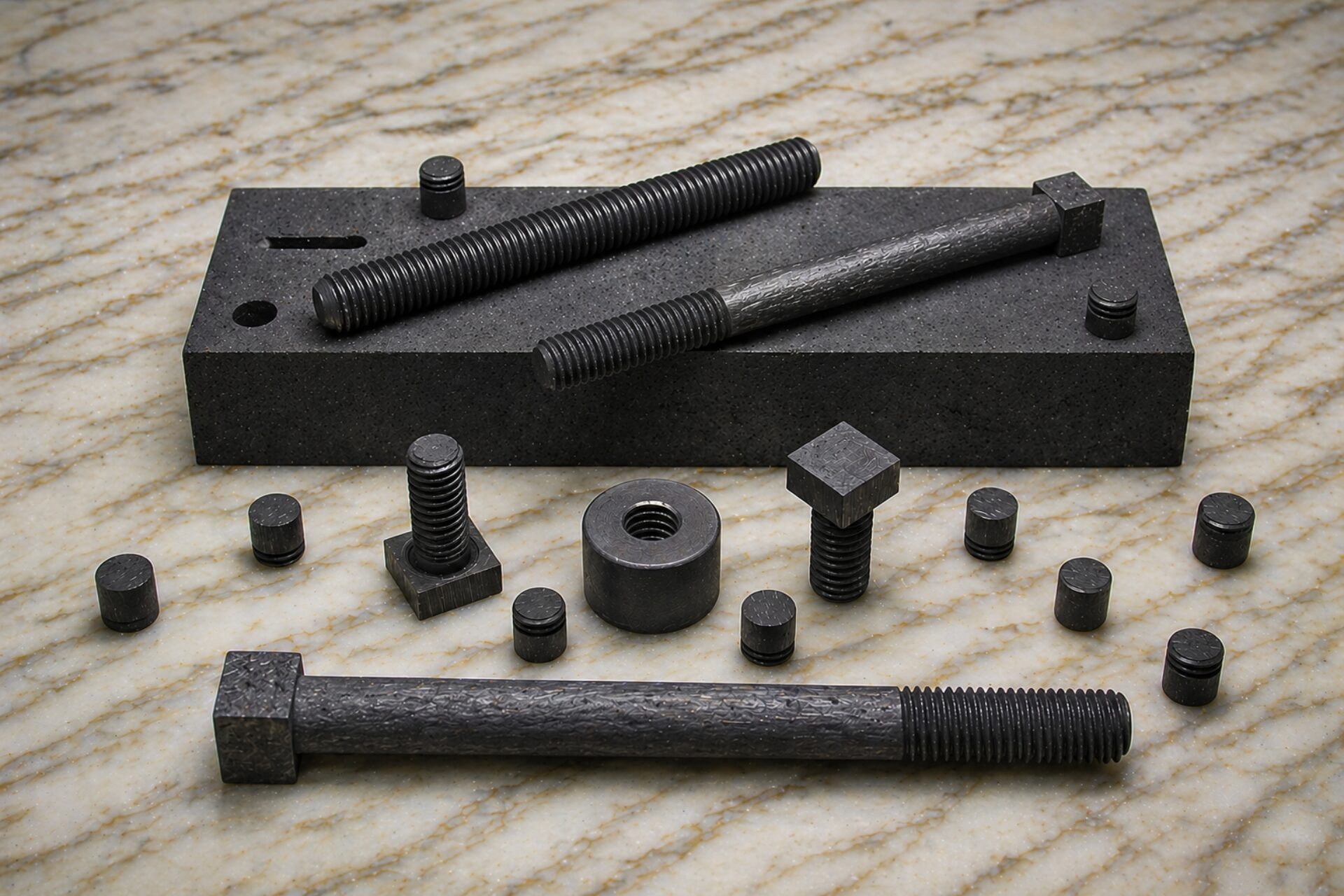
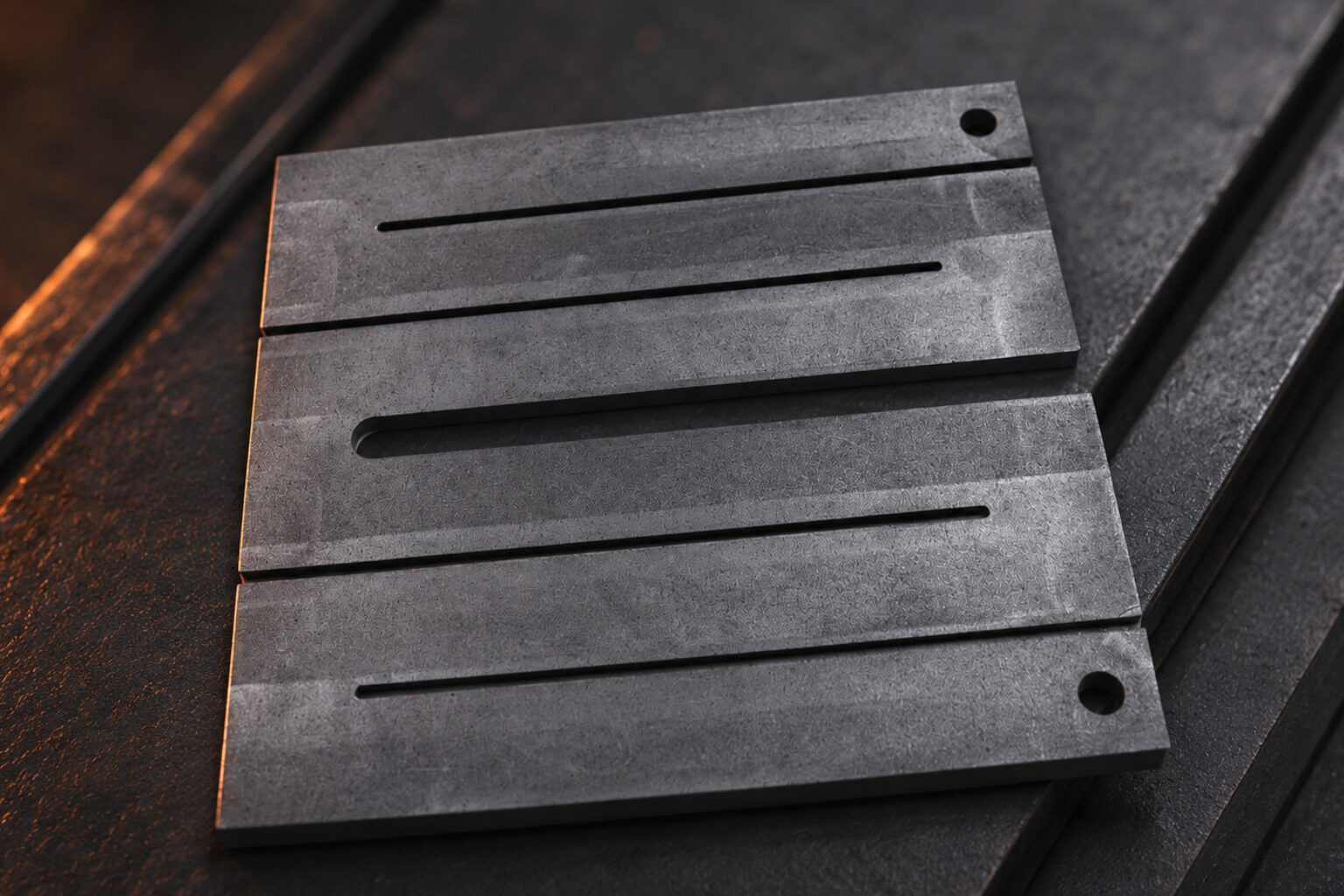
Graphite can be machined into complex geometries with high precision.
This allows:
- Custom furnace components.
- Optimized designs per application.
- Faster production of specialized parts.
Advantage: Graphite.
6. Mechanical Strength. (At Lower Temperatures)
Metals typically offer higher strength at lower temperatures.
However, as temperature increases, that advantage decreases significantly.
Advantage: Metal. (Only in non-extreme conditions)
Where Metal Still Makes Sense.
Let’s be claros: metal is not useless.
It can still be effective in:
- Lower temperature applications.
- Structural areas outside the hot zone.
- Applications where oxidation is a concern without controlled atmosphere.
But inside high-temperature zones, its limitations become evident.
Why Graphite Is the Preferred Choice in Furnaces.
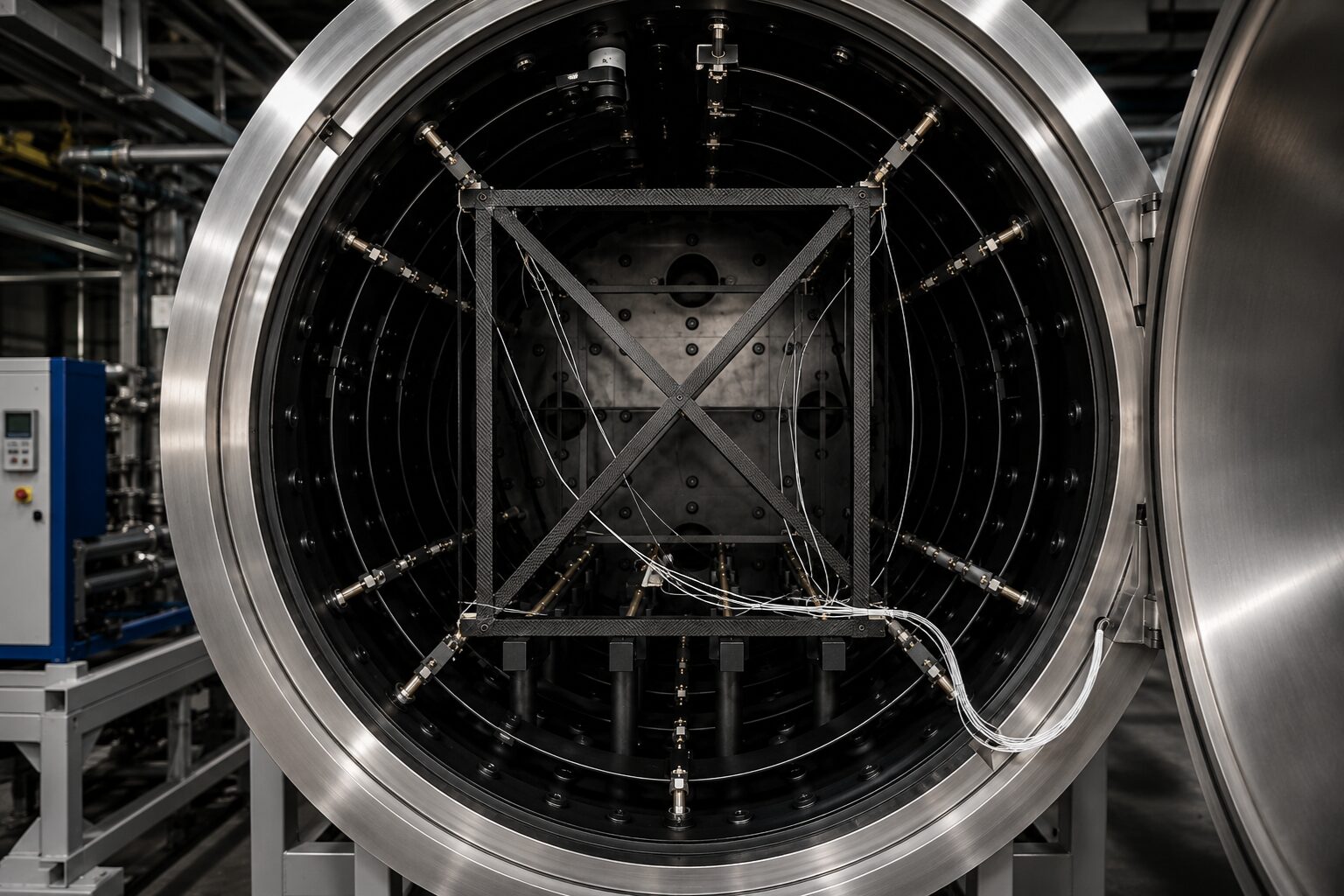
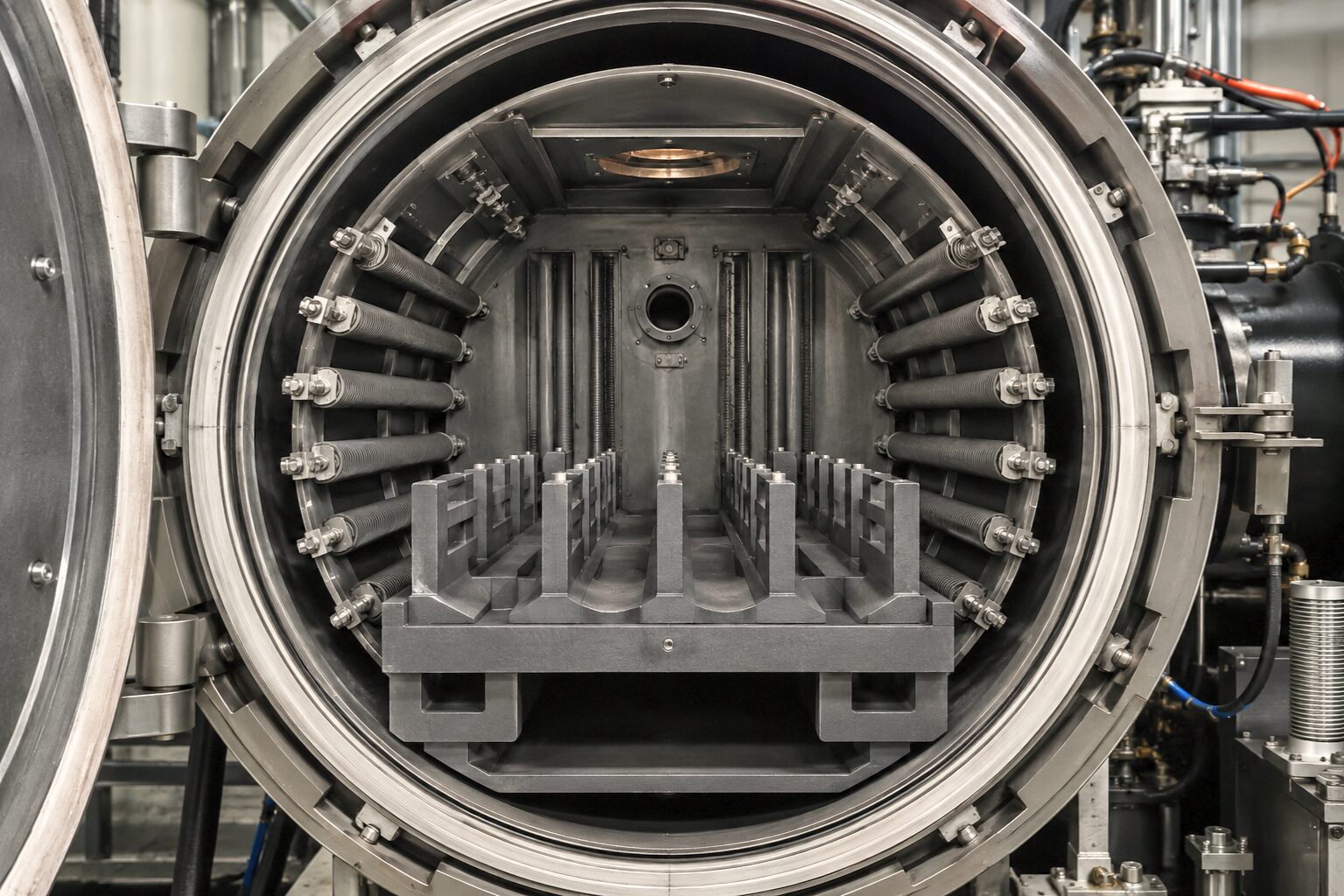
In real industrial environments, graphite furnace components provide:
- Better dimensional stability.
- Longer service life.
- More consistent process results.
- Reduced risk of deformation or failure.
This is why graphite is widely used in:
- Vacuum furnaces.
- Heat treatment systems.
- Sintering processes.
- High-temperature manufacturing.
The Decision Is Not Material—It’s Performance.
The question is not graphite vs metal.
The real question is:
Which material maintains performance under your operating conditions?
In high-temperature systems, the answer is often clear.
The Global Graphite Approach.
At Global Graphite, we don’t just supply materials—we help optimize furnace performance.
We offer:
- High-quality graphite furnace components.
- Custom-machined solutions.
- Engineering support for high-temperature applications.
Our goal is simple: deliver materials that perform where it actually matters.
Final Thoughts.
Metal may seem like the default choice.
But in high-temperature furnaces, graphite is often the better-performing solution.
Choosing the right material can mean the difference between:
- Stable operation.
- Or continuous issues.
And in industrial processes, that difference matters.
📩 sales@usglobalgraphite.com
📞 (956)-539-7162
🌐 https://usglobalgraphite.com/