When you’re replacing vacuum furnace insulation, the temperature rating is only part of the specification. You also need to know how much room is available, how the material is held in place, and what it will see during each cycle. A clear vacuum furnace insulation specification brings those details together so the product can be reviewed as part of the hot-zone assembly.
Measure the space and mounting details.
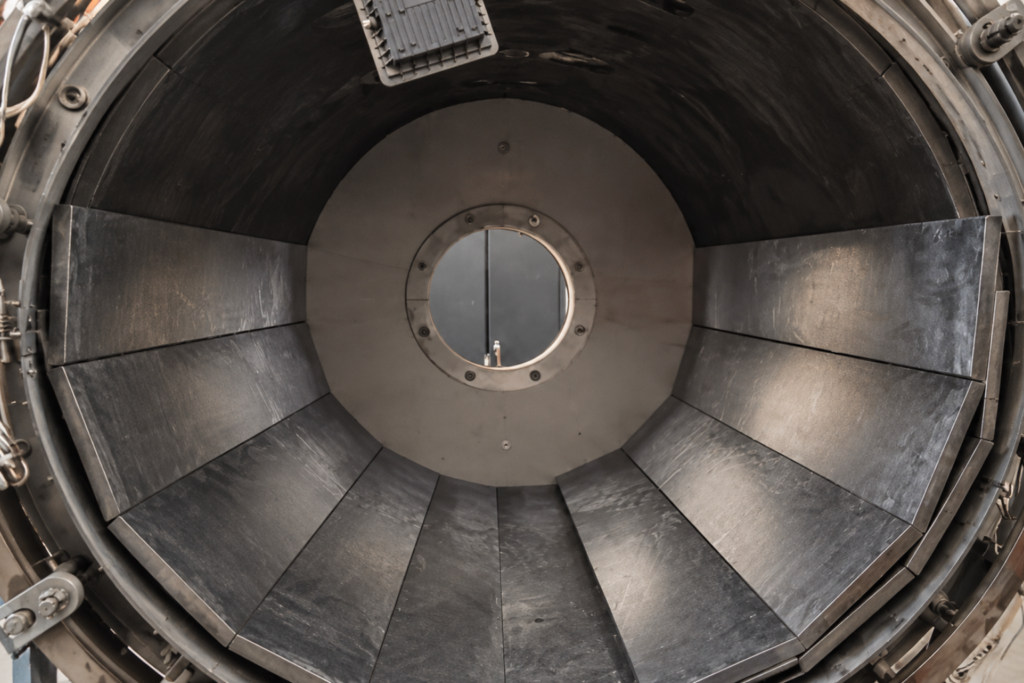
Start with the furnace model or hot-zone drawing. Include the available thickness, panel or blanket dimensions, openings, joints, and attachment method. Show nearby heating elements and supports, along with any shields or maintenance access points. A replacement panel may have to match existing mounts. If you’re changing the construction, the furnace team needs to review how that change affects the assembly.
Describe the operating conditions.
Provide the atmosphere, temperature profile, hold time, cycle frequency, and startup and cooldown practices. Note any process contaminants, mechanical contact, vibration, or frequent removal for maintenance. Ask for product-specific information on suitability, outgassing, and durability under those conditions. Descriptions such as felt, board, or paper identify a product form; they don’t establish how a particular product will perform in your furnace.
Compare forms against the installation.
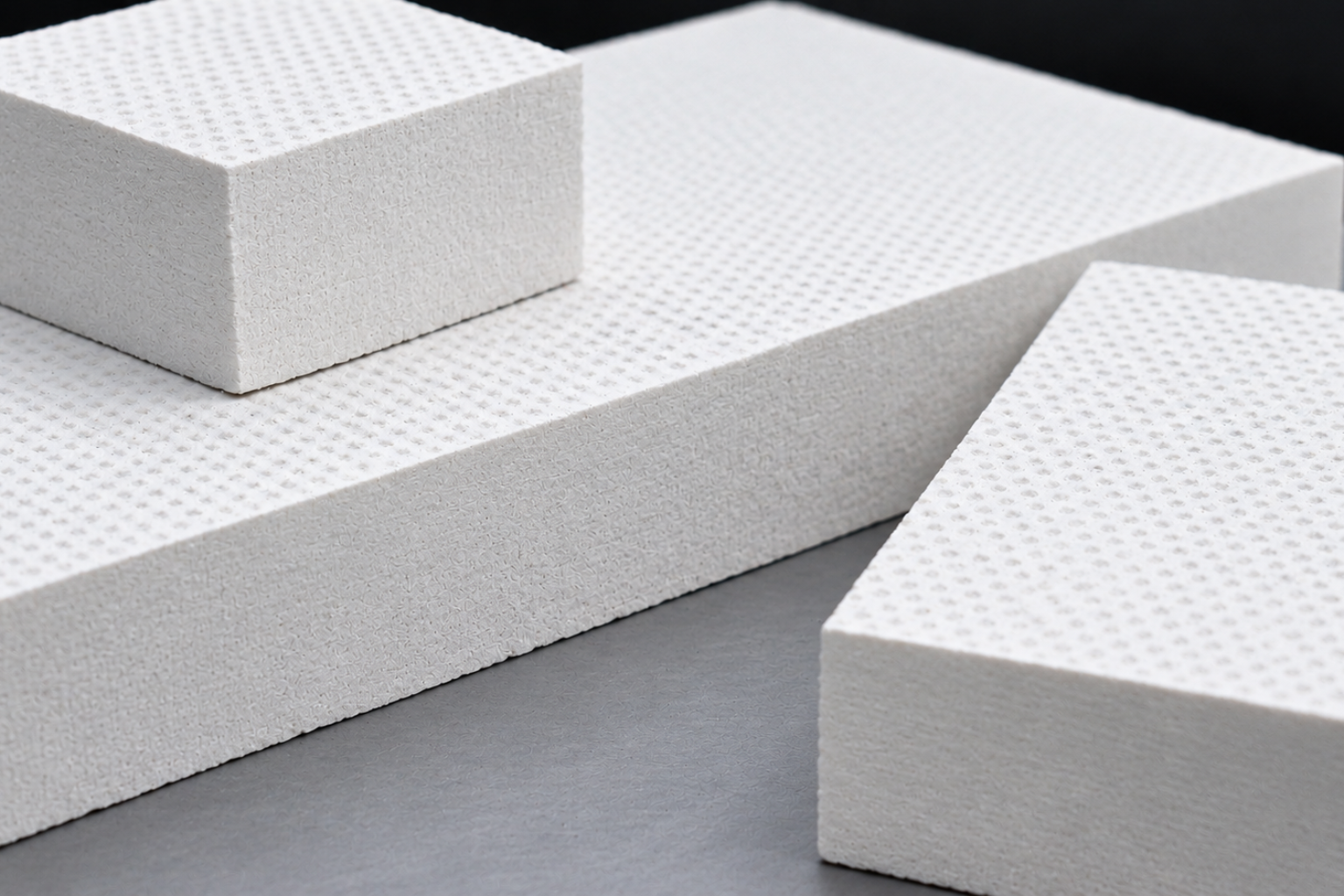
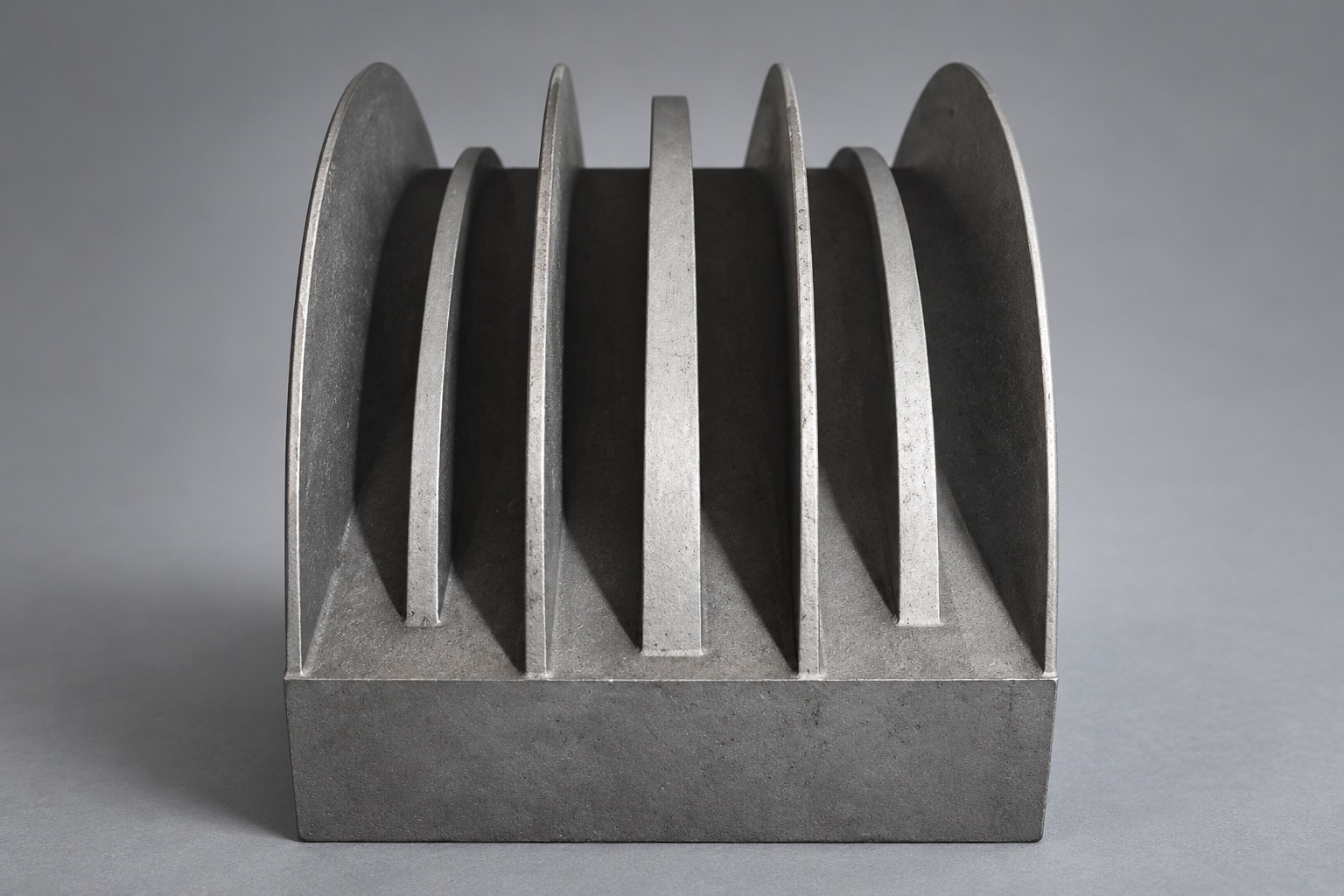
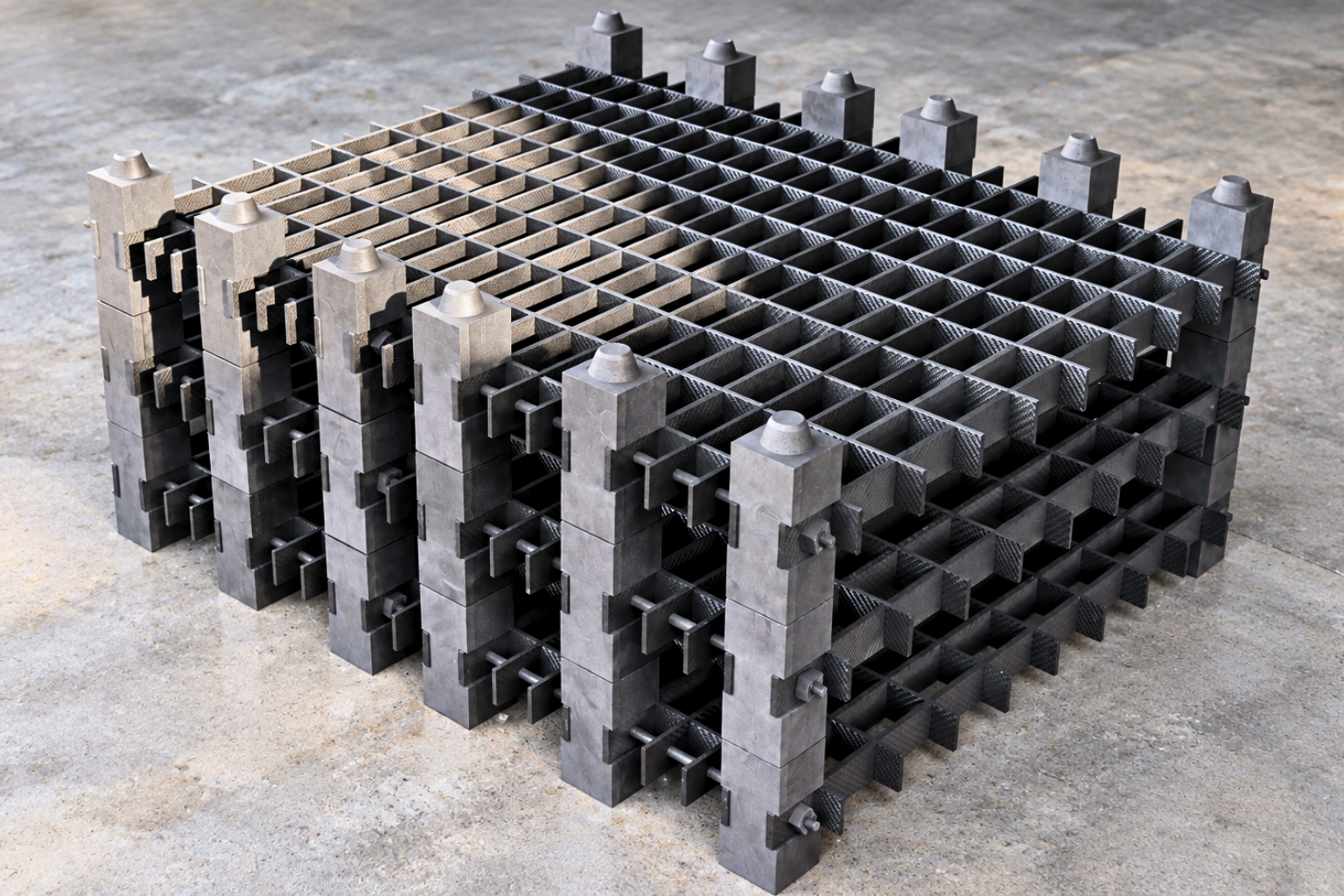
Rigid graphite felt board, flexible graphite insulation, and other available forms suit different geometries and handling needs. Review the edges, openings, attachment points, and access for replacement alongside the thermal requirements. If the design uses multiple layers, the thicknesses and joints need to work together. You’ll need more than a product photo to make those decisions.
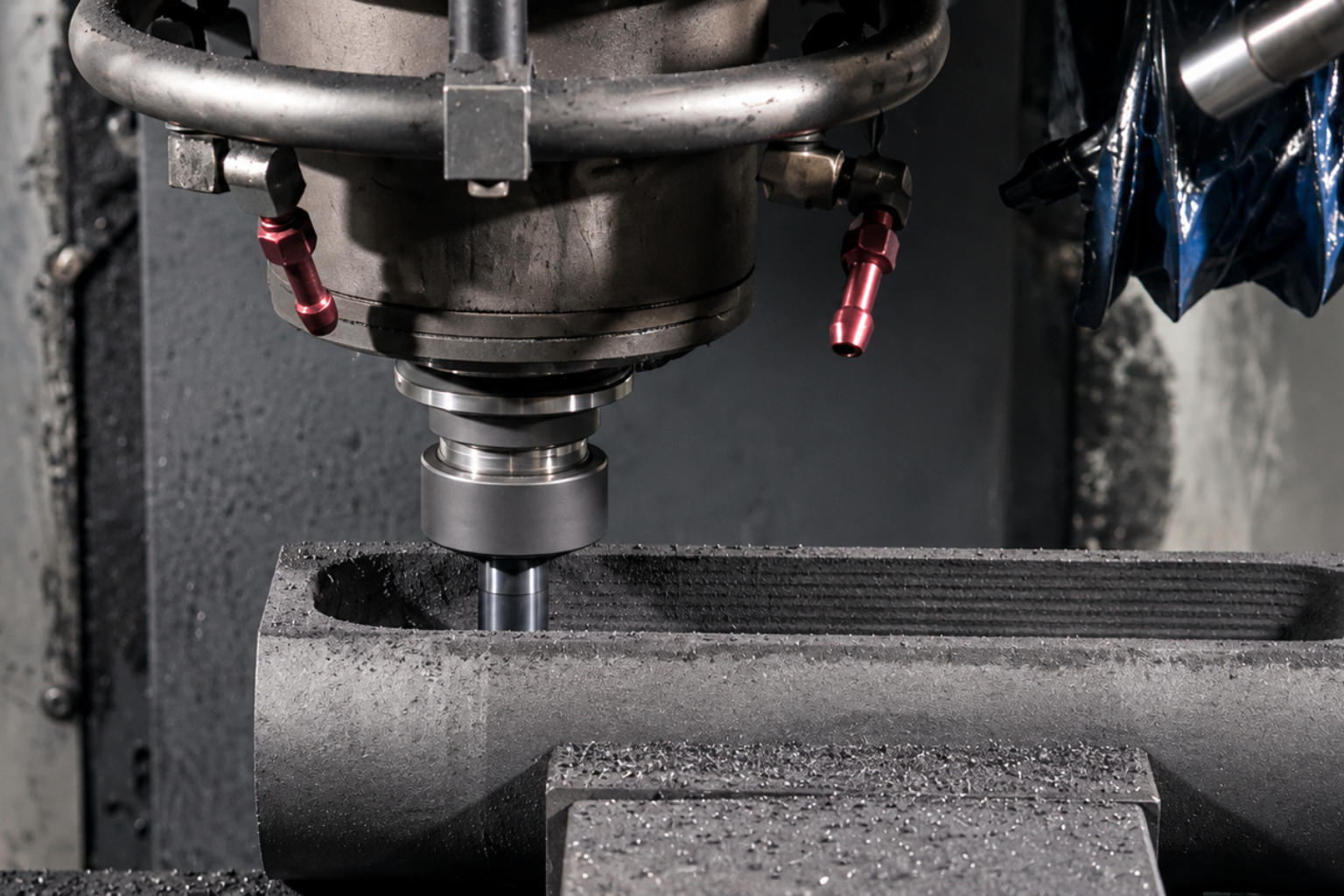
Request the relevant product data and ask whether the specific material can be cut, machined, or fabricated for the job. Global Graphite supplies insulation and reviews custom work where the material is compatible with its capabilities. Ceramic and refractory products may appear on the same furnace parts list, but each needs to be specified for its own role. They shouldn’t be treated as interchangeable insulation options.
Send the drawing with the maintenance context.
Include the operating conditions, existing material if known, dimensions, mounting details, and quantity. Explain the maintenance issue you’re trying to address, and make clear whether you need a like-for-like replacement or a design change. That helps identify the questions the furnace OEM or engineer needs to resolve.
To discuss the insulation requirements, send your hot-zone drawing through Request a Quote. You can also review related products under Heat Treatments.